
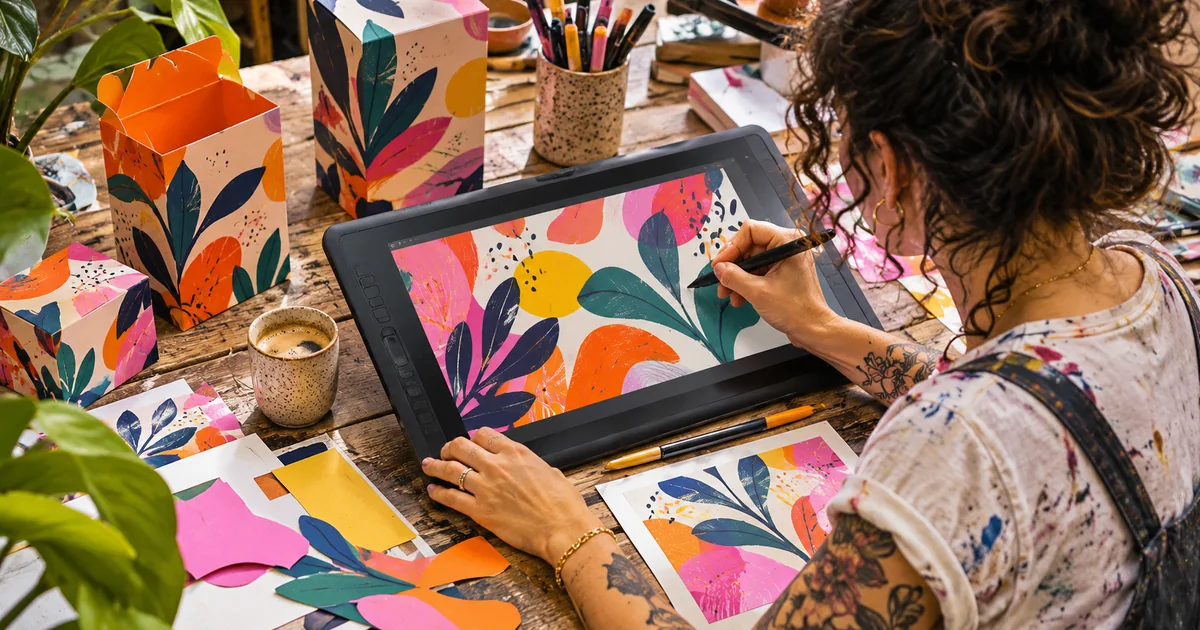
Paying a freelancer for creative work does not generally transfer copyright automatically. The first owner and the customer's permission to use the work depend on the legal rules and agreed terms. If the business needs ownership rather than a limited licence, address that expressly.
Identify the work and intended use
List the actual deliverables: a set of photographs, website text, illustrations, video or a design file. Distinguish final approved work from rejected concepts and the freelancer's pre-existing materials. Identify any third-party components the freelancer cannot assign.
For example, a company commissioning brochure photographs may want to reuse them on packaging, in international advertising and in a later business sale. An agreed brochure-use licence might not cover those uses. Review the original engagement rather than assuming payment settled every future use.
Confirm the chain of rights
Ask who created each element and whether the freelancer used employees or subcontractors. Obtain the necessary rights from the actual owners. The Intellectual Property Office's ownership guidance explains the distinction between employment and commissioned work.
A copyright assignment must meet the applicable writing and signature requirements. Identify the rights, territory, any retained rights and whether future works are involved. Moral rights are separate: consider the necessary consents or waivers rather than describing them as transferred property.
Check existing permissions before requesting ownership
Start with the original brief, quotation and terms accepted by both sides. The business may already have an adequate licence for its intended use, or the agreed permission may be much narrower than expected. Understanding that starting point makes the discussion with the freelancer more focused.
Explain why ownership is needed. A business preparing for investment or sale may want a clear chain of title, while another may only need permission to adapt the work or use it in additional markets. The commercial price and retained rights can then be negotiated on an informed basis.
Identify the files that make the transfer useful
For a design project, distinguish editable source files, exported artwork, fonts and linked images. Some elements may belong to third parties and require separate licences. Ask the freelancer to identify those dependencies and any restrictions before treating delivery as complete.
For example, ownership of a brochure layout does not necessarily give the business unrestricted rights to every stock photograph or typeface used in it. Keep the third-party permissions alongside the assignment and final deliverables.
If the freelancer will continue working on the project, make the treatment of later work clear in the engagement terms. A transfer of existing identified material should not be assumed to settle every future commission. Keep dated records of approved deliverables and signed rights documents so the business can demonstrate its position without reconstructing old email exchanges.
Coordinate documents and delivery
Agree the payment condition, effective transfer date and delivery of editable source files. A PDF export may be insufficient where the business needs to revise the design later. Preserve the signed agreement, final file list and any third-party licence documents together.
The Copyright Transfer Agreement supports assignment of identified copyright within its stated scope. It cannot transfer rights the seller does not own. Read the difference between assignment and licence to decide whether full ownership is necessary, and arrange any wider commissioning or ongoing-service terms separately.
Sources and further reading
- Intellectual Property Office: ownership of copyright
- Intellectual Property Office: using and acquiring copyright
Sources checked 22 November 2026. General information for England and Wales. Your circumstances may require independent legal, tax or financial advice. Our editorial approach.